The Pros
Is my dog too old to start training?
No — and the science is firmly on the old dog's side. What changes with age, what doesn't, and where to start.

· 2 min read
The short answer
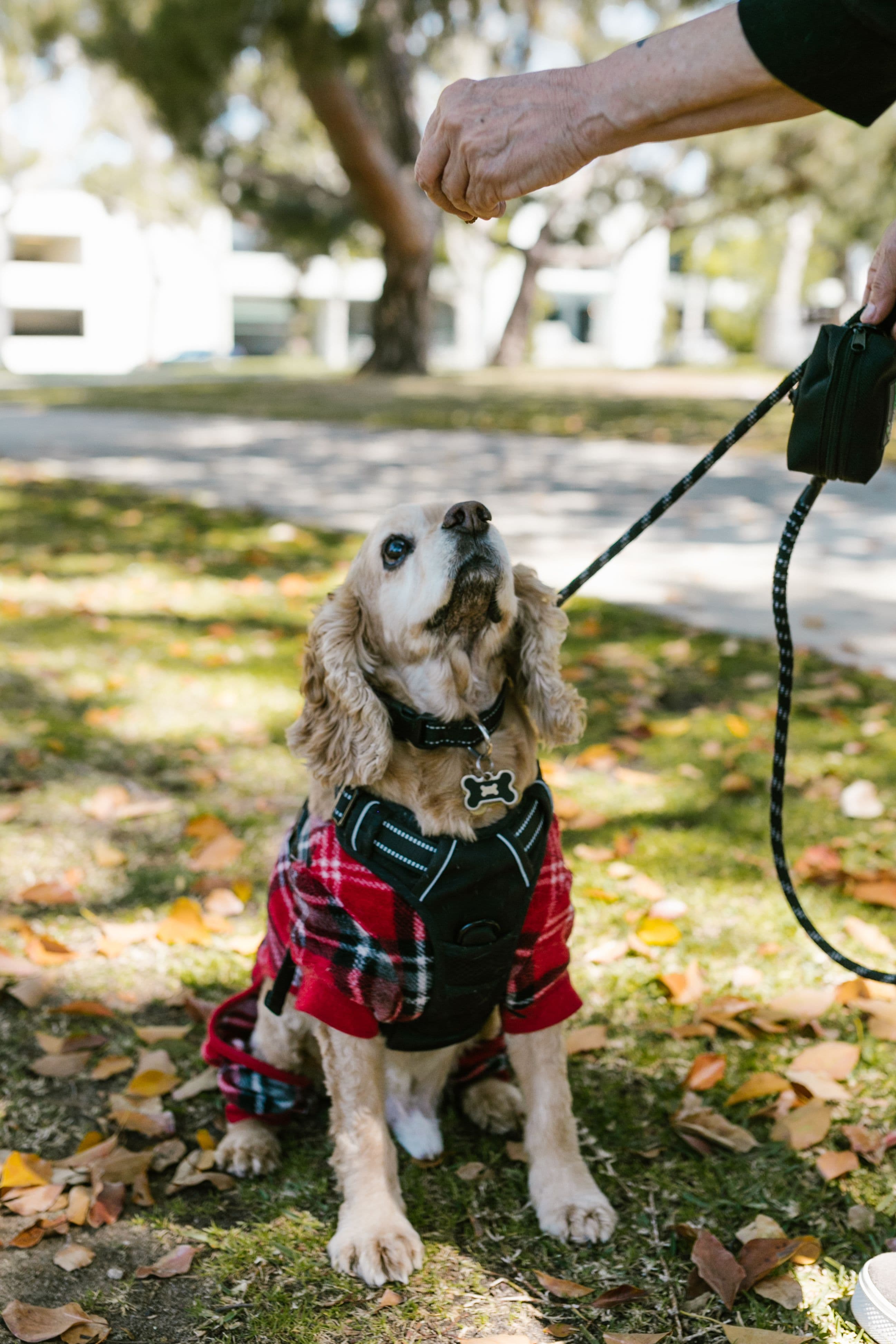
Dogs learn at every age; adult and senior dogs often train faster than puppies because they can actually focus. What changes is the approach: shorter sessions, more repetition spread across days, and composure-first goals — a settled dog before a performing one. Start with one behavior that would most improve daily life, keep sessions under ten minutes, and expect real progress in weeks.
The saying about old dogs and new tricks has been wrong for as long as anyone's tested it. Dogs keep learning their whole lives. What the saying gets accidentally right is that old dogs learn differently — and once you train to the difference, they're often the best students in the room.
What age actually changes
An eight-year-old dog brings things a puppy can't: a long attention span, an established bond with you, and zero interest in wasting energy. What they lose is physical tolerance — long repetitive sessions are hard on joints — and flexibility about habits that have had years to set. So the format changes: five to ten minutes, a few times a day, on a forgiving surface. The learning itself works fine.
Composure first
Our trainers work composure-first at every age, and it matters double for adult dogs. Most 'problem behaviors' in older dogs — door chaos, leash pulling, counter patrol — aren't defiance; they're rehearsed arousal. The work starts with teaching the dog that calm is the position everything good happens from. The specific behaviors land easily on top of a settled dog, and barely stick to an aroused one.
Where to start
Pick the one behavior that would most change daily life — usually leash manners or a reliable settle — and leave the rest alone for now. One thing, trained briefly and often, beats a curriculum. A certified trainer can hand you the plan in a single session and coach the execution; most owners are shocked how much moves in three weeks.
The honest caveat
Sudden behavior changes in an older dog — new anxiety, new aggression, house-training regression — warrant a vet visit before a trainer, since pain and cognitive changes wear behavioral disguises. Rule the body out, then train the dog you have.
Old dogs aren't out of tricks. They're just done performing for free.
FAQ
Can senior dogs learn new commands?
Yes. Learning ability persists throughout a dog's life. Seniors need shorter sessions and a comfortable surface, but their focus is often better than a young dog's — many trainers prefer working with them.
What kind of training does Haus Dogs offer?
Composure-based training with certified trainers — building a calm, settled dog first, then the behaviors on top. Sessions run in-home or outdoors, with plans built around your specific dog.